Fatigue and lethargy Clinical trials recorded fatigue as an occasional adverse event

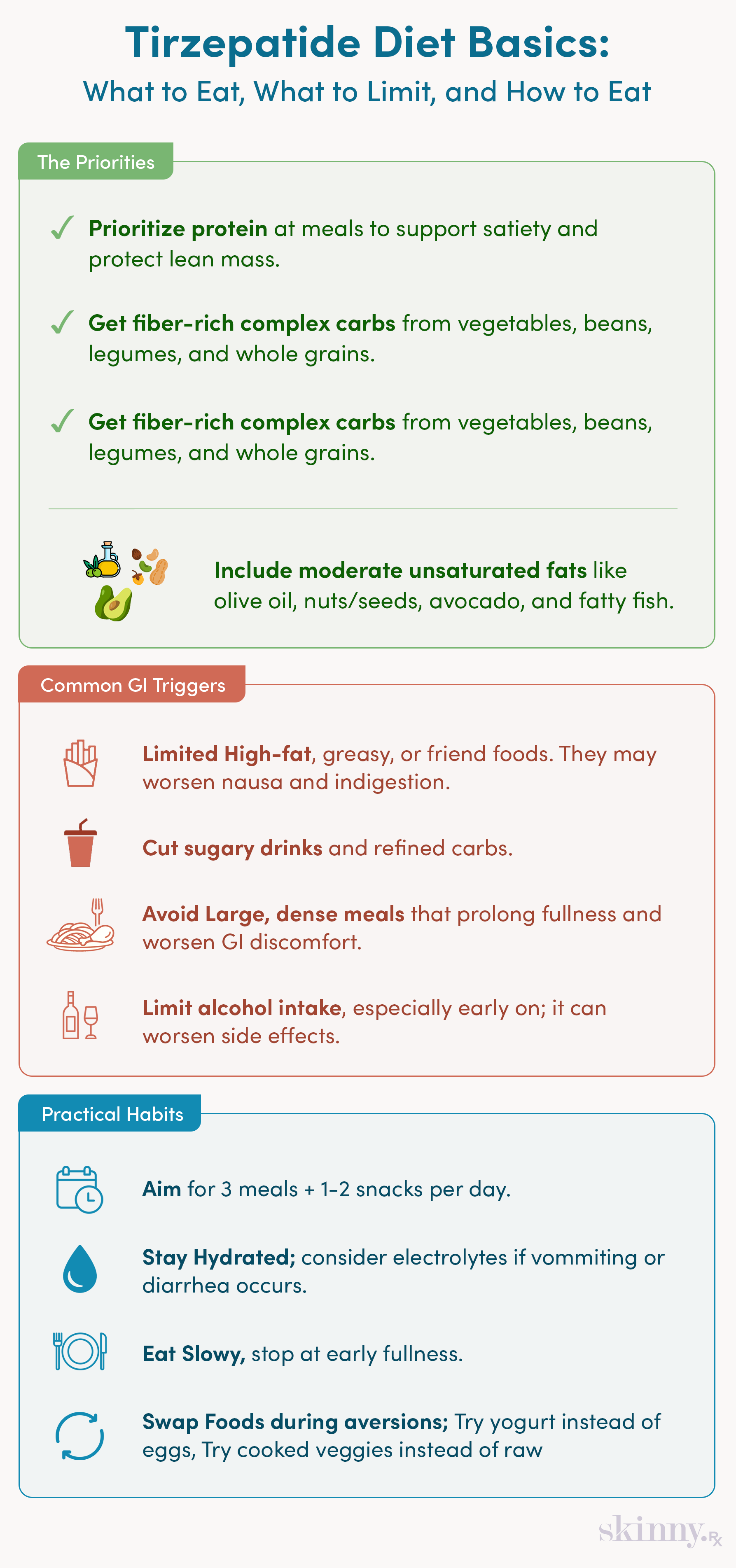
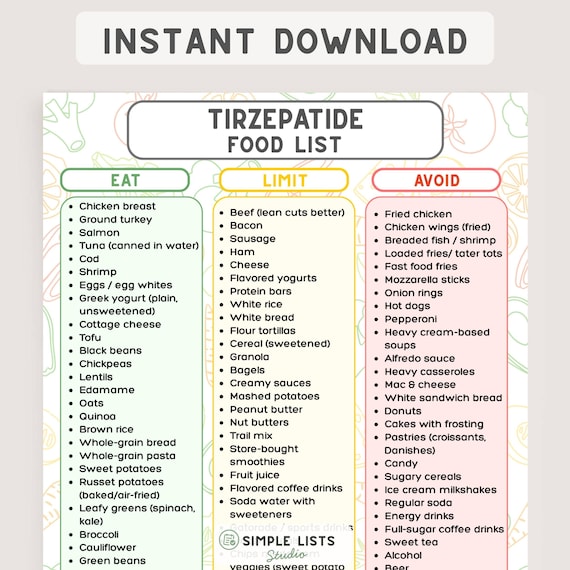
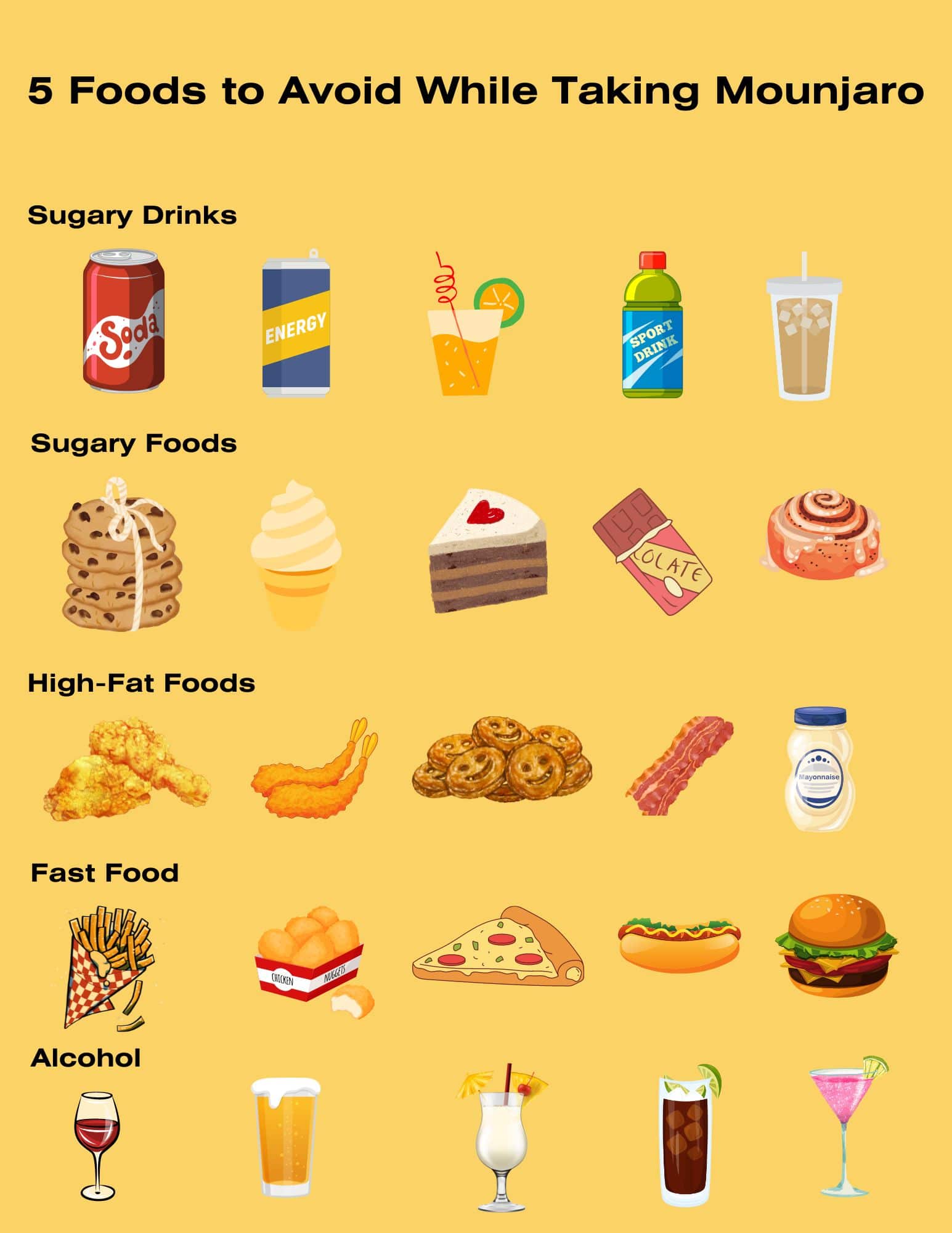
Semaglutide is prescribed for: Weight loss in adult patients with an initial body mass index (BMI) of 30 kg/m2 or greater (obesity) Weight loss in adult patients with an initial body mass index (BMI) of 27 kg/m2 or greater (overweight) in the presence of at least one weight-related comorbid condition (hypertension, type 2 diabetes mellitus, or dyslipidemia) Weight loss in pediatric patients aged 12 years and older with an initial BMI at the 95th percentile or greater for age and sex (obesity) Reducing the risk of major adverse cardiovascular events (non-fatal myocardial infarction, CV death, or non-fatal stroke) in adults with cardiovascular disease and either obesity or overweight Treating noncirrhotic metabolic dysfunction-associated steatohepatitis (MASH), formerly known as NASH, with moderate to advanced liver fibrosis (stages F2 to F3 fibrosis) in adults Patients taking semaglutide for any of these conditions, especially weight loss, are typically suggested to maintain a low-carb and low-fat diet

Its important to note that misusing HCG can create risks
The same 2025 systematic review referenced above found that 35 of 36 studies in the orthopaedic literature were animal or preclinical studies, with no large randomised human trials identified for tendon or ligament recovery specifically [4]
Key target genes include those encoding components of the electron transport chain (ATP synthase subunits, cytochrome c), fatty acid oxidation enzymes (medium-chain acyl-CoA dehydrogenase, carnitine palmitoyltransferase 1), and transcription factors that amplify the metabolic signal (PGC-1 itself, NRF-1)
BAC water's benzyl alcohol keeps bacteria from growing for up to 28 days