Biological effects of GIP The Gastric Inhibitory Polypeptide (GIP), isolated for the first time from porcine small intestine in 1971 [27], was named as GIP on the basis of its ability to inhibit gastric hydrochloric acid secretion [28]
PubMed Thomas, M.K., Nikooienejad, A., Bray, R., Cui, X., Wilson, J., Duffin, K., et al
However, the related mechanism of blood oxygen content and serum ions in a hypoxic environment must be studied further
The slowed digestion means food remains in your stomach longer, which can be beneficial for weight management but may also contribute to gastrointestinal side effects if dietary choices are not optimized
Several Amaranthus species are tolerant to drought, salinity, extreme temperatures, defoliation, high light intensity, and herbicide exposure (Gaines et al., 2010
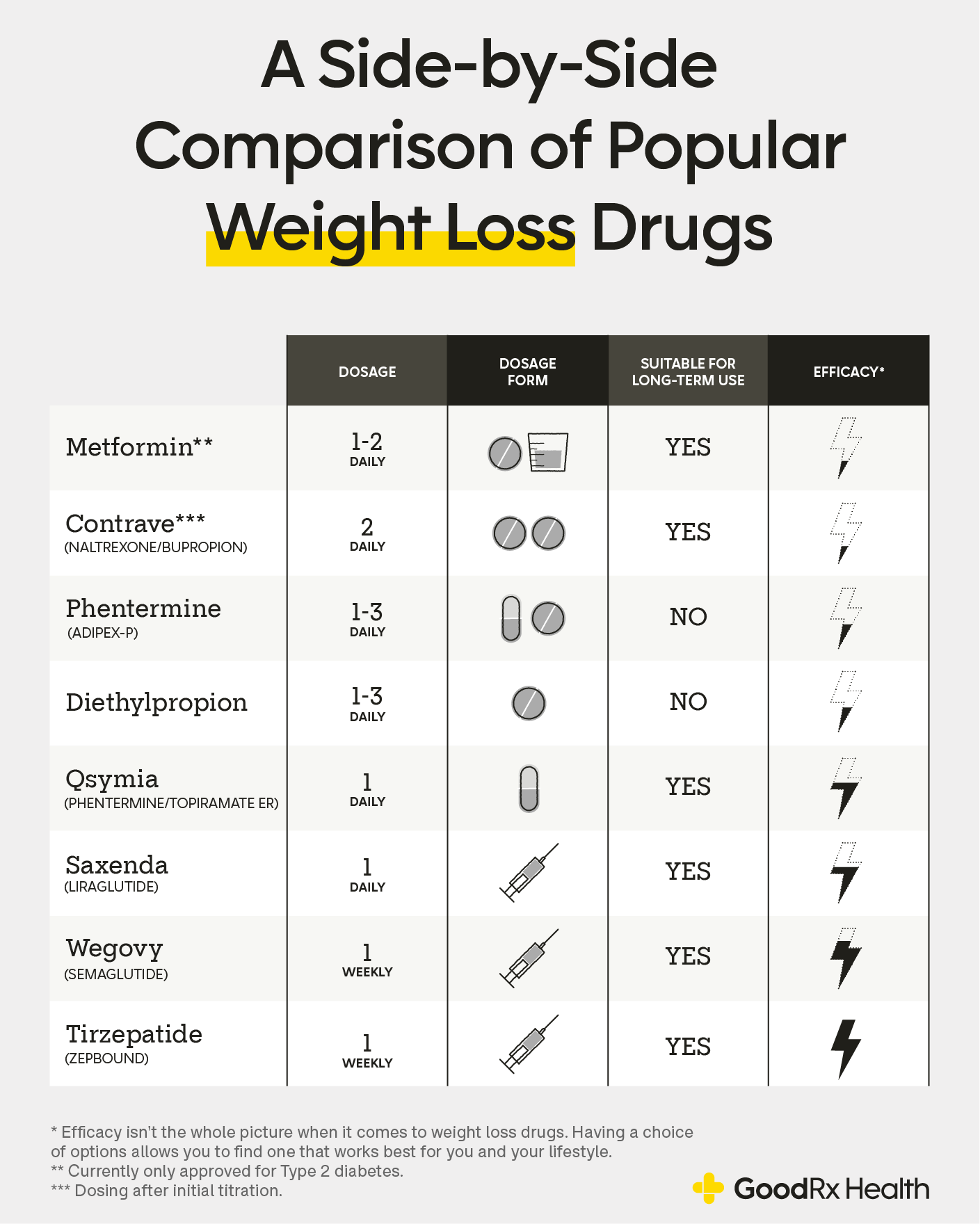
Among people who stopped taking a GLP-1, cost and side effects are the most common reasons for discontinuation